
Tech
GITEX Global 2025: AI, enterprise tech, and global expansion
GITEX Global 2025 brought together governments, enterprises, startups, and global tech leaders to explore AI, cybersecurity, fintech, and large-scale digital transformation.
Coverage brief
GITEX is treated as a global execution marketplace where enterprise deals, startup funding, and government partnerships are actively formed rather than just discussed.
Media assets4 images
Video briefs2 videos

Reach
+10.9% ↑1.5M
Audience reached across cross-regional editorial distribution.
Engagement
+8.7% ↑48K
Interactions tied to article depth and multi-market discussion.
Traffic
+9.8% ↑342K
Visits generated across direct, search, and referred traffic.
Regions
+2.7% ↑20
Active market concentration linked to this event footprint.
Photo gallery
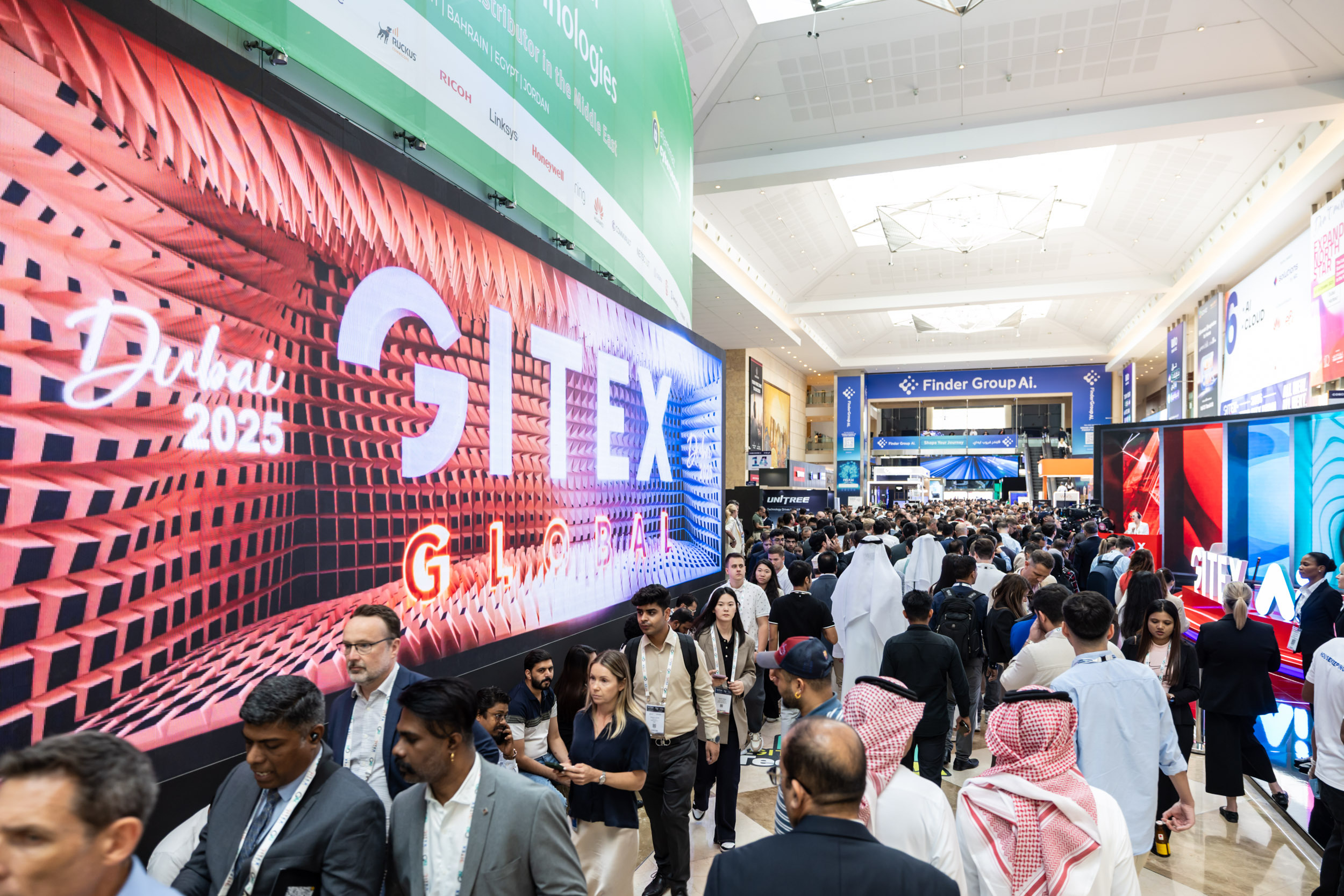
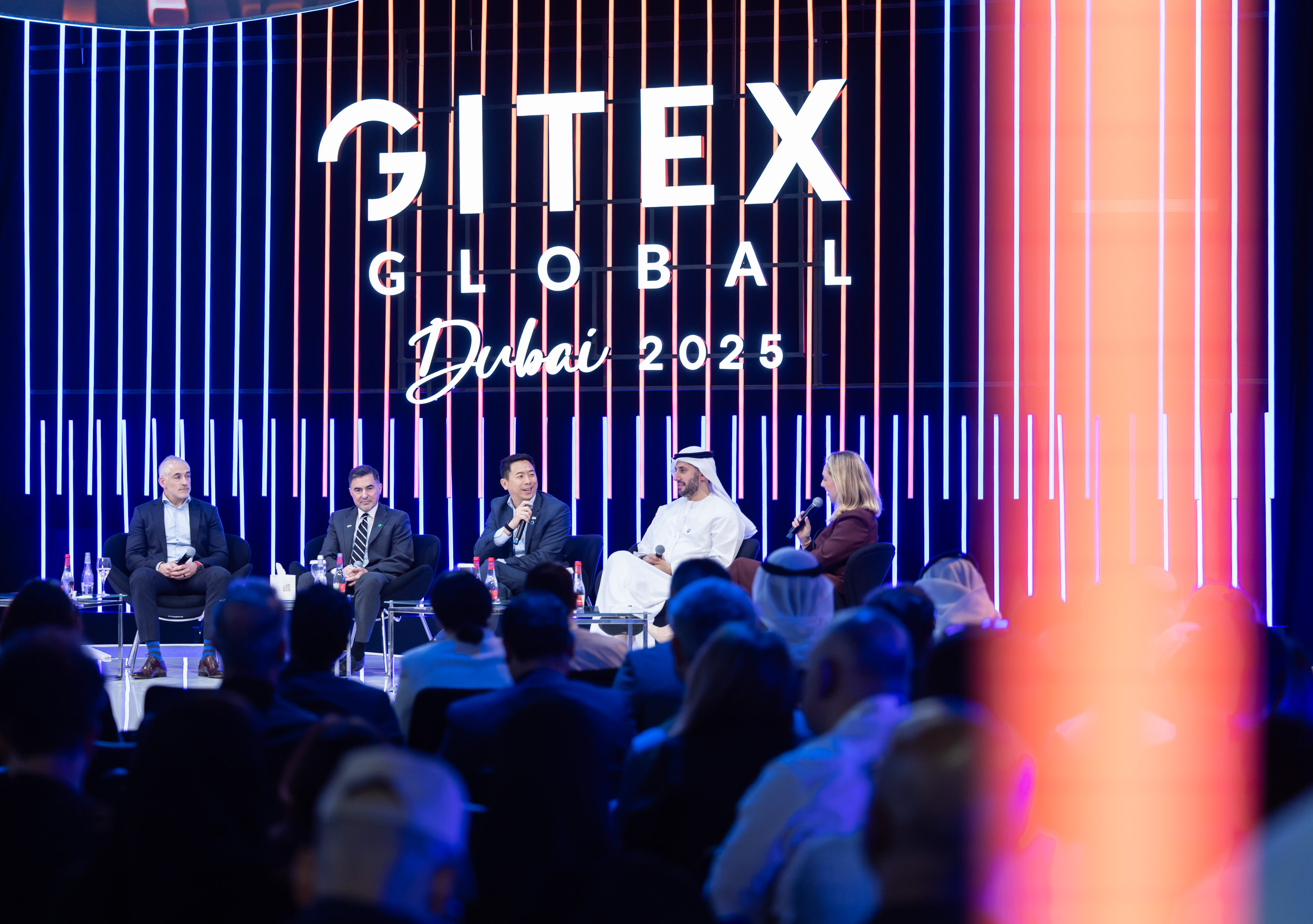
Expanded visual coverage from GITEX Global

Coverage timeline
How the story unfolded
Pre-event buildup
Strong anticipation around AI, cybersecurity, and enterprise digital transformation solutions.
Opening keynote
Global leaders emphasized the role of AI and digital infrastructure in shaping future economies.
Showfloor reaction
High engagement across enterprise booths and startup zones, with active deal-making and partnerships.
Post-event takeaway
Global collaboration and regional expansion are key drivers of technology growth.
Overview
GITEX Global 2025 in Dubai reinforced its position as one of the world's most internationally diverse technology events, connecting Europe, Asia, Africa, and the Middle East in a single ecosystem. With thousands of exhibitors and hundreds of thousands of attendees, the event operated less like a traditional conference and more like a live marketplace for global technology deals. AI, cybersecurity, and enterprise SaaS dominated the narrative, but the deeper story was about how technology is being deployed at scale across emerging markets. Governments actively participated alongside enterprises, turning the event into a platform for real partnerships rather than just product showcases. The presence of startups, investors, and corporate buyers created a multi-layered environment where funding, distribution, and execution strategies were all negotiated simultaneously.
What Happened On The Ground
The exhibition halls were segmented into highly focused zones including AI, cybersecurity, fintech, and smart cities, each attracting a distinct audience of buyers and operators. Enterprise booths from major global companies showcased fully integrated solutions rather than individual products, reflecting the shift toward end-to-end digital transformation.
Startup areas were among the most active parts of the event, with founders pitching to investors from across the Middle East, Europe, and Asia. Unlike smaller startup events, the scale of GITEX meant that founders were engaging directly with government representatives and large enterprises, accelerating potential deal cycles.
Cybersecurity emerged as a dominant theme, driven by increasing global concerns around data protection, ransomware, and infrastructure security. Vendors emphasized real-world deployment capabilities rather than theoretical solutions.
Government delegations from multiple countries actively explored partnerships in areas such as smart cities, digital identity, and public-sector AI, turning the event into a geopolitical technology platform.
Why The Event Mattered
GITEX 2025 mattered because it acts as a bridge between developed and emerging markets, enabling technology transfer and collaboration at scale.
It demonstrated how enterprise technology is no longer confined to Western markets, with rapid adoption across the Middle East, Africa, and Asia.
The event highlighted the importance of cybersecurity and AI as foundational layers of modern digital infrastructure.
From a business perspective, GITEX serves as a key platform for companies looking to expand into new regions and secure large-scale contracts.
Key Announcements
Launch of enterprise AI platforms targeting large-scale deployment.
Major cybersecurity solutions introduced to address global threats.
Partnerships between governments and tech companies for smart city initiatives.
Startup funding rounds and accelerator program launches.
Expansion of cloud infrastructure across Middle Eastern markets.
Introduction of digital identity and e-governance solutions.
Cross-border collaborations between Europe, Asia, and the Middle East.
New fintech platforms focusing on digital payments and financial inclusion
Enterprise SaaS platforms targeting large organizations and governments
Industry Impact
Acceleration of digital transformation across emerging markets.
Increased adoption of AI and cybersecurity solutions in enterprises.
Growth of startup ecosystems through funding and partnerships.
Strengthening of Dubai's position as a global tech hub.
Expansion of cross-border technology collaborations.
Greater focus on infrastructure and scalability.
Increased competition among global tech providers in new markets
Rise of government-led digital initiatives